Shintenchi · outside and in
Furniture for both sides of the door
Most furniture is bought from a photograph and measured afterwards. Shintenchi prints the figures that actually decide it first: the seats and the span outside, the height and the tier count inside. The company has been making furniture for both sides of the door since 2016, and this catalogue is all of it in one place.
Two sides of one door
One catalogue, two kinds of arithmetic
What you need to know about a chair changes the moment it goes outdoors. Inside, a piece is a rectangle you fit to a wall. Outside, it is a rectangle that also has to survive August and February. Shintenchi builds for both, and the brand splits its range along exactly that line.
Outside
Out here the numbers are seats and span. A four-seat set needs a slab wider than the set itself, because chairs get pushed back. A thirteen-foot umbrella shades a table at noon and misses it entirely at four.
Inside
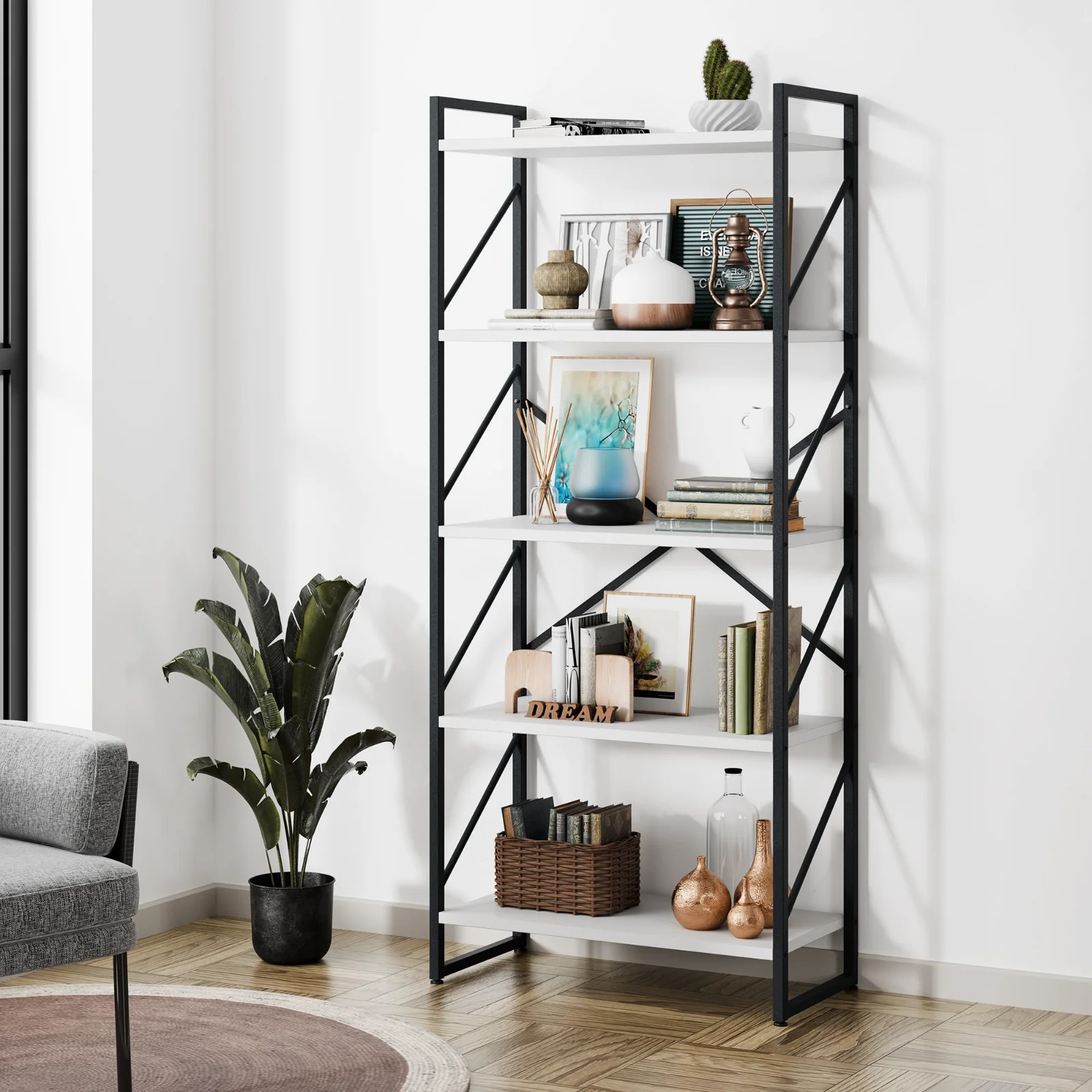
In here the numbers are height and tier count. A seventy-inch bookcase clears a standard ceiling with room above it. Five tiers in that height gives you about thirteen inches a shelf, which takes a hardback standing up.
Collection 01
The set that furnishes a slab in one go
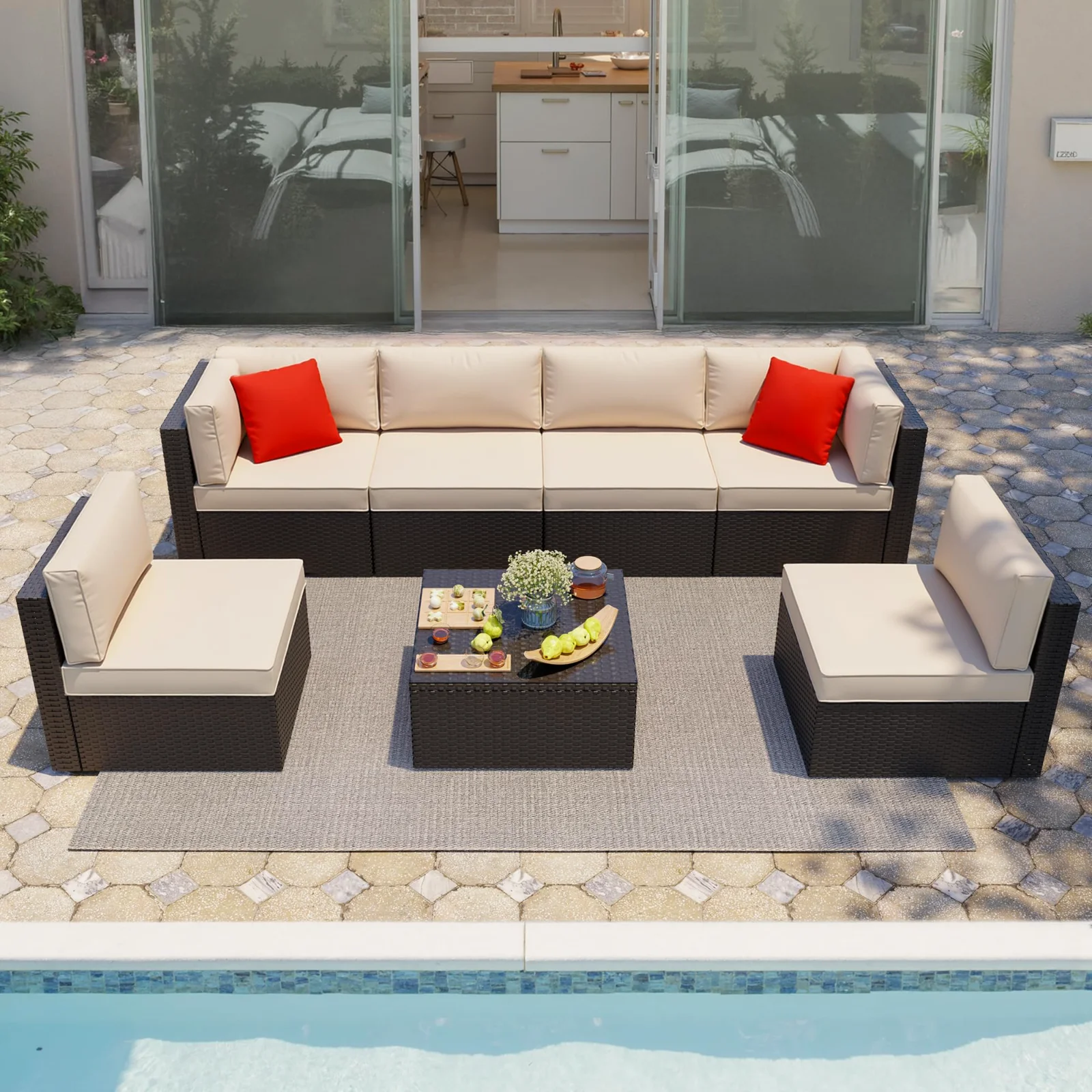
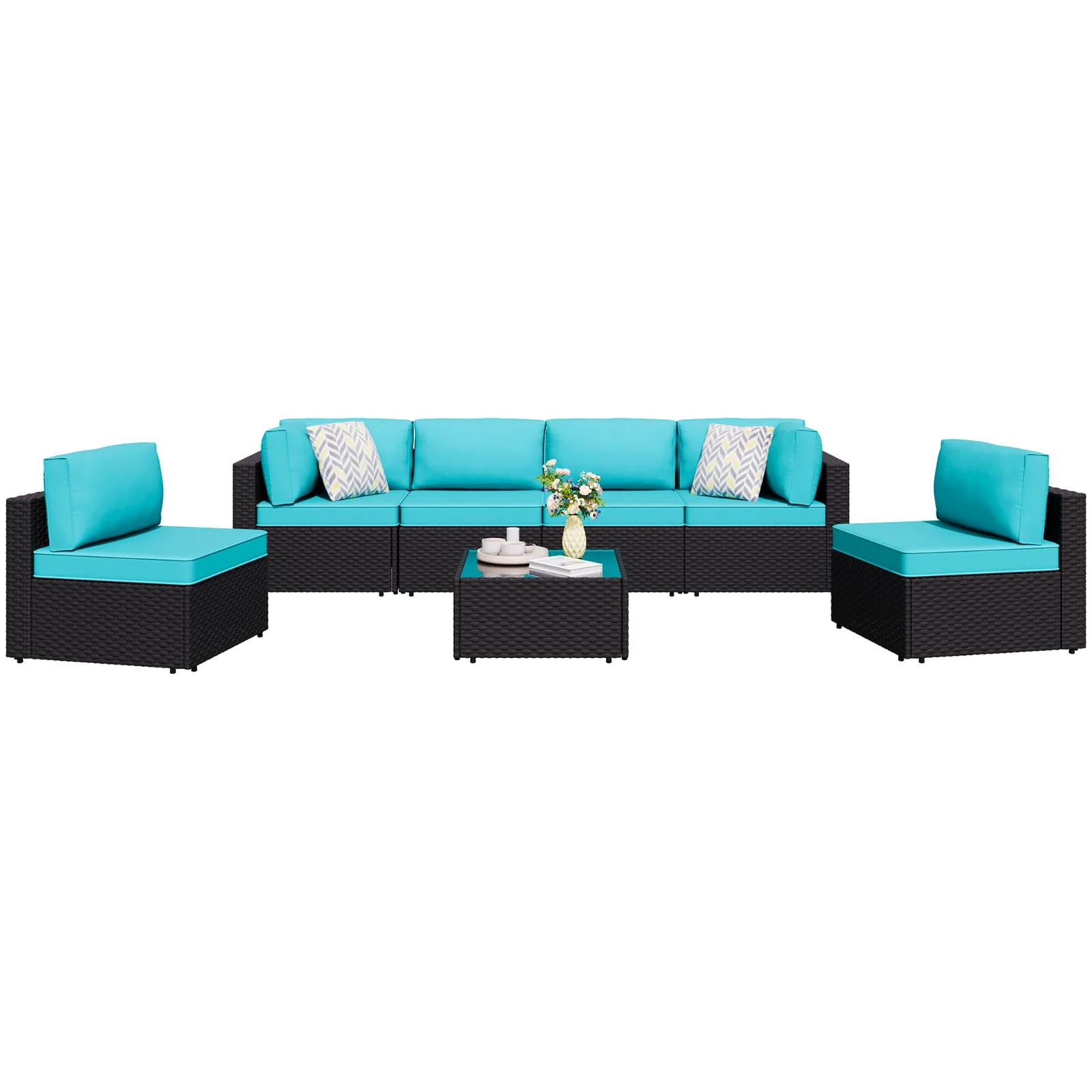
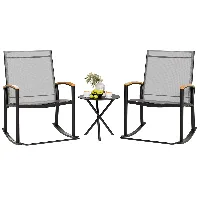
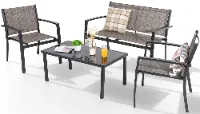
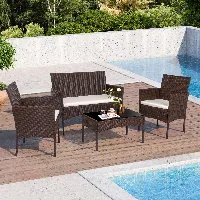
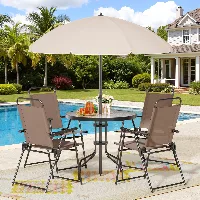
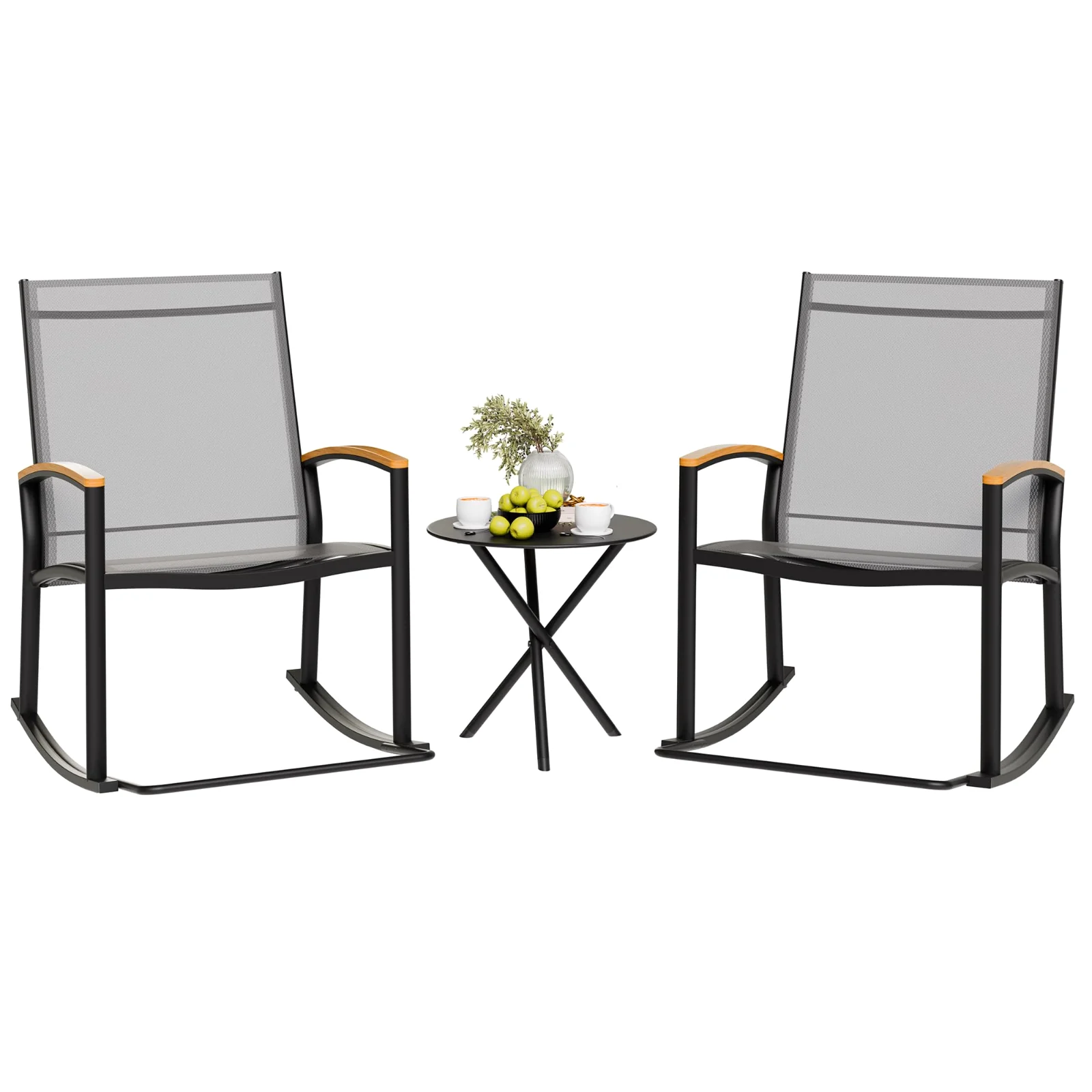
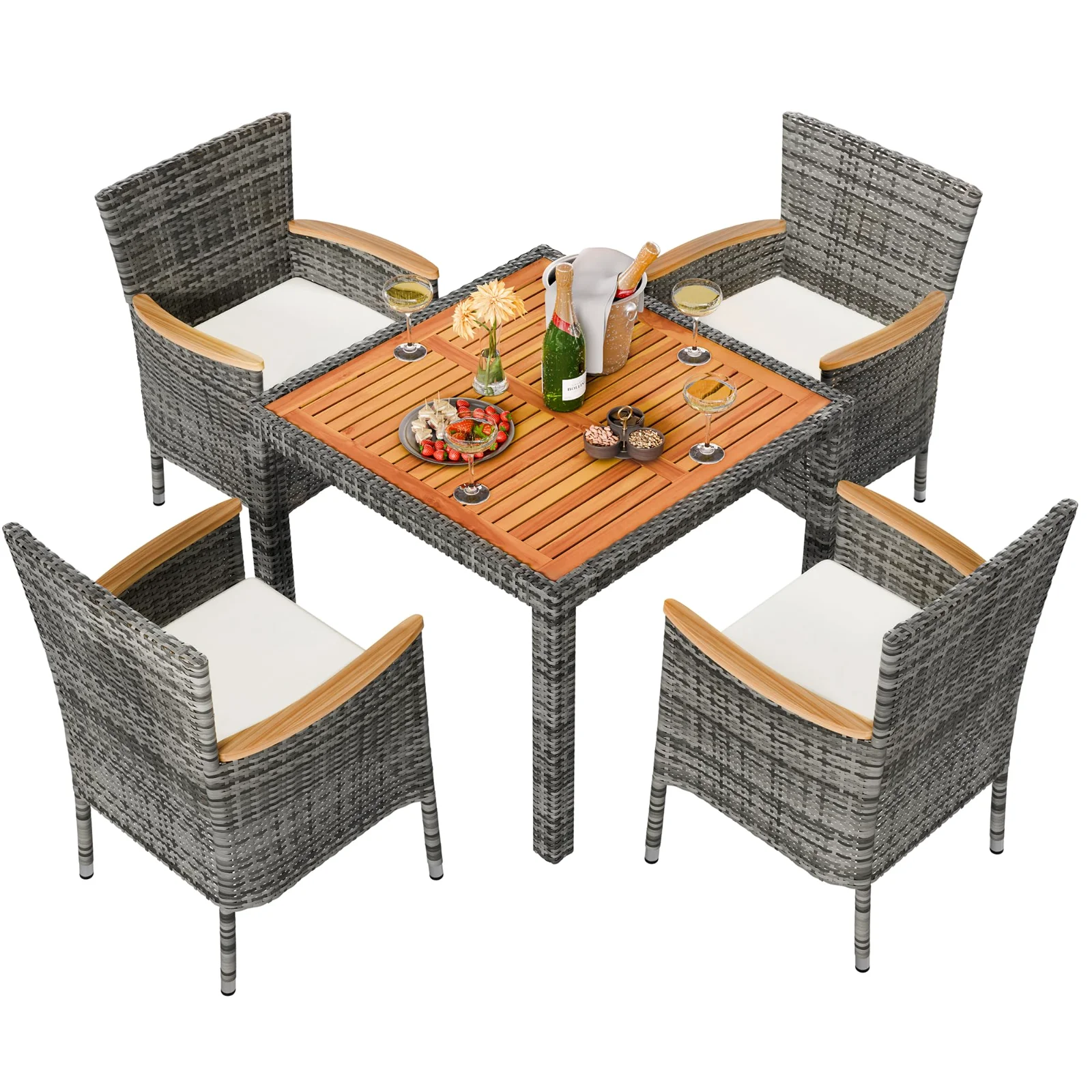
You measure the patio once and order a group rather than five separate chairs. The Shintenchi lineup runs from a three-piece bistro corner up to a seven-seat sectional, in PE wicker over a steel frame or in textilene stretched on aluminium. The seat count on every card is the number of people who can sit without dragging a chair over from the kitchen.
Collection 02
Chairs bought one or two at a time
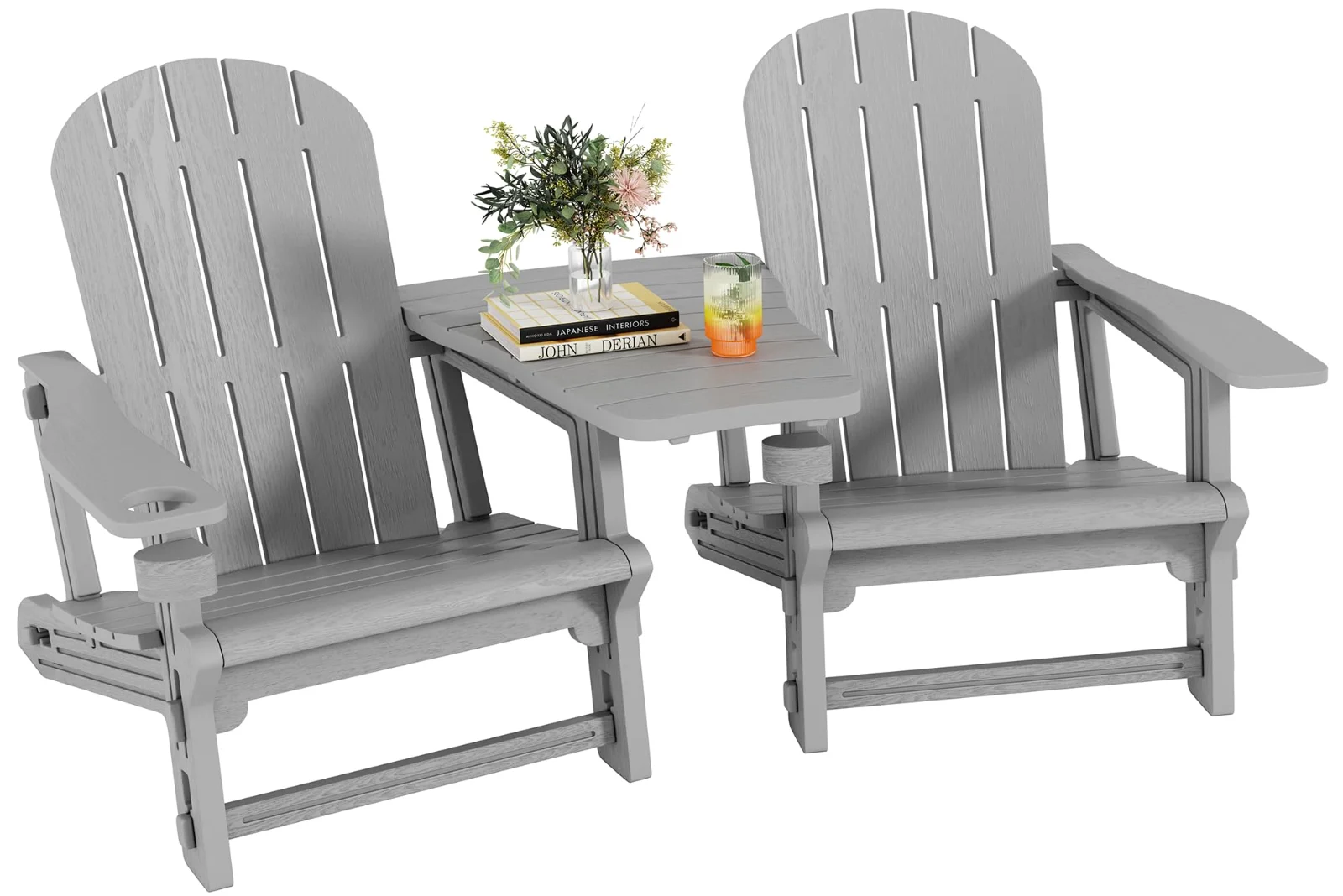
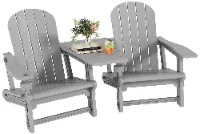
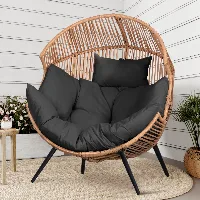
An Adirondack from the Shintenchi selection sits in HDPE lumber, which does not grey the way cedar does, and it stays where it is in a wind that moves a plastic chair across the lawn. The egg chairs hang from their own stand. The chaise lounges have wheels at one end, because a lounger that cannot be dragged into the shade gets used twice a summer.
Collection 03
Whether the yard is usable at two in the afternoon
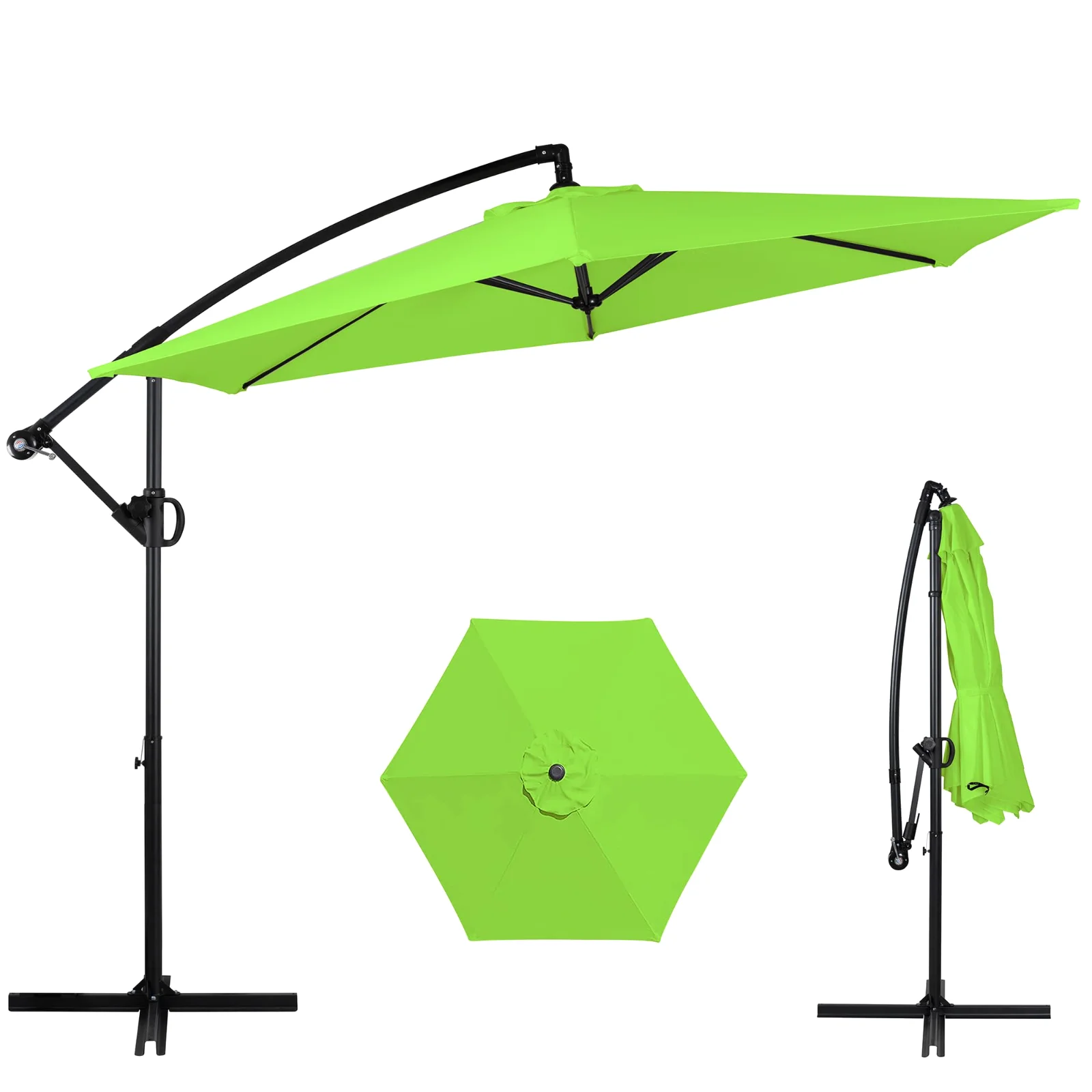
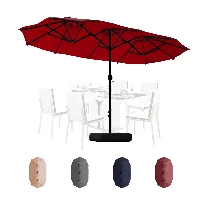
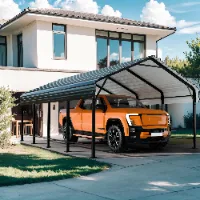
Shade decides more about a patio than the furniture on it. A thirteen-foot cantilever umbrella clears a table entirely, so nobody sits with a pole between them. The Shintenchi flagships out here are the carports, twelve by twenty feet and take a car or a boat; the sheds are the small end of the same idea, five by three feet against a fence.
Collection 04
The reason people stay out after the food is done
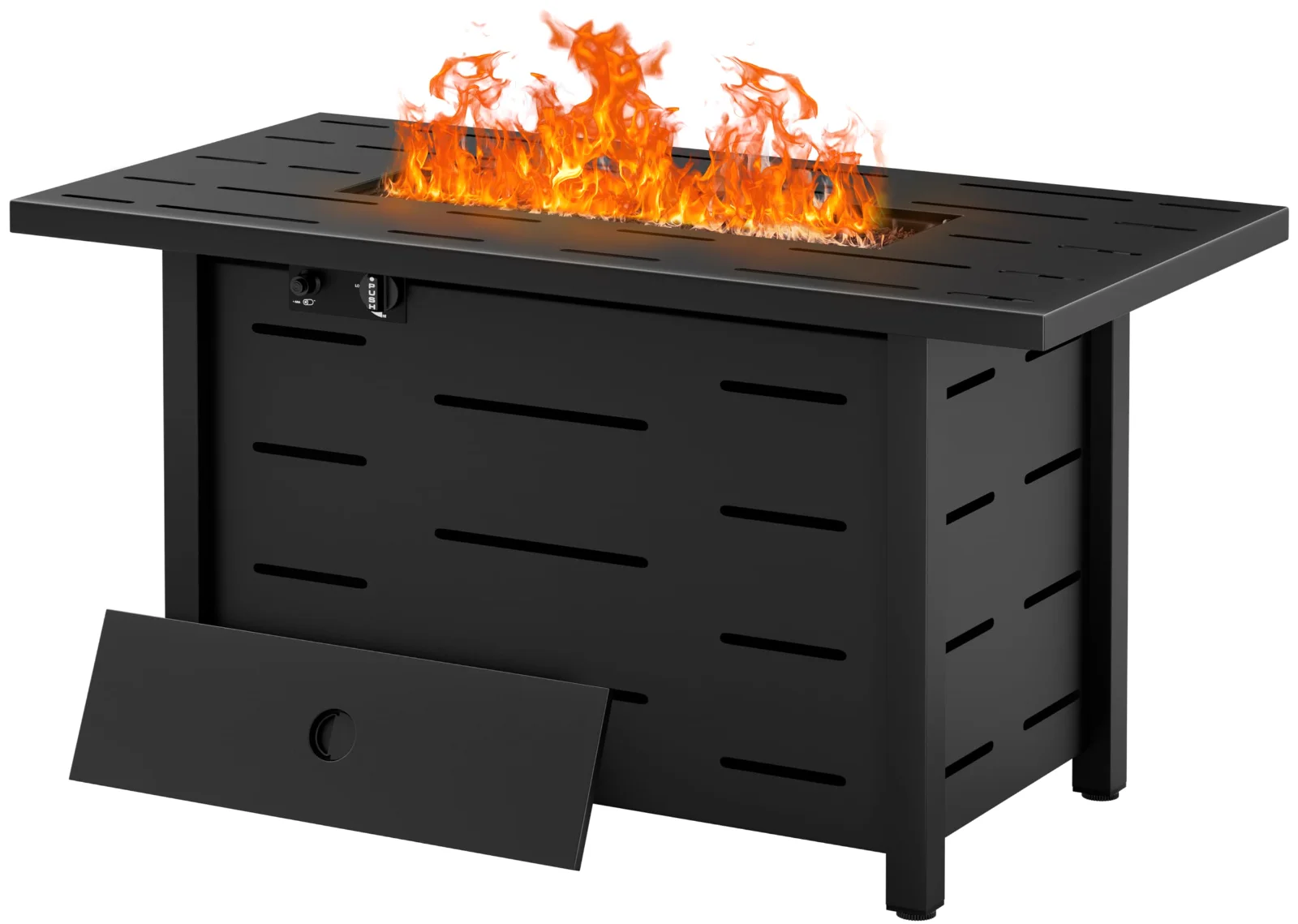
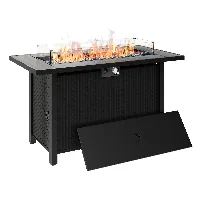
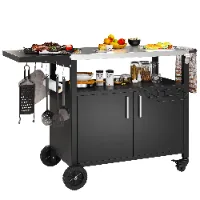
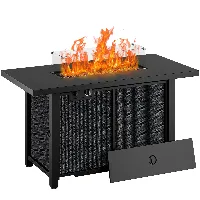
A fifty-thousand BTU propane table throws enough heat to keep a circle of four warm in October, and the lid turns it back into a table when the flame is off. The grill cart beside it is a steel top on wheels, which is what you want when the kitchen counter is thirty feet and one door away.
What it faces
Four things happen to outdoor furniture, and only one of them is rain
These are the four conditions the outdoor half of the Shintenchi range is drawn against, and what each of them does to a piece left in the yard.
Sun
Ultraviolet light breaks down colour and makes plastic brittle long before anything looks wrong. HDPE lumber carries pigment through the whole board rather than on the surface, so a scratch is the same colour as the board.
Rain
Standing water is the problem, not falling water. Powder-coated steel frames shed it; cushion covers unzip so the foam inside can dry; and a slatted table top drains where a solid one holds a puddle for two days.
Wind
A light chair moves. An umbrella left open in a gust becomes a sail on a pole, which is why every umbrella on this site is sold against a base and every carport ships with ground anchors.
Winter
Freeze and thaw work at joints. Store cushions dry, drop and cover an umbrella, and give the fittings on a set a quarter turn in spring: that one check is most of what outdoor furniture ever asks of you.
Crossing over
The same joint, two different problems
A bolt in a bookcase has one job for twenty years in a dry room. The same bolt on a patio goes through four hundred cycles of hot afternoon and cold night in one season, and water sits in the head of it every time it rains. That is the whole difference between the two halves of the Shintenchi range, and it is the reason the company runs two material lists rather than one.
Outside ends here · inside begins
Collection 05
Height first, finish last
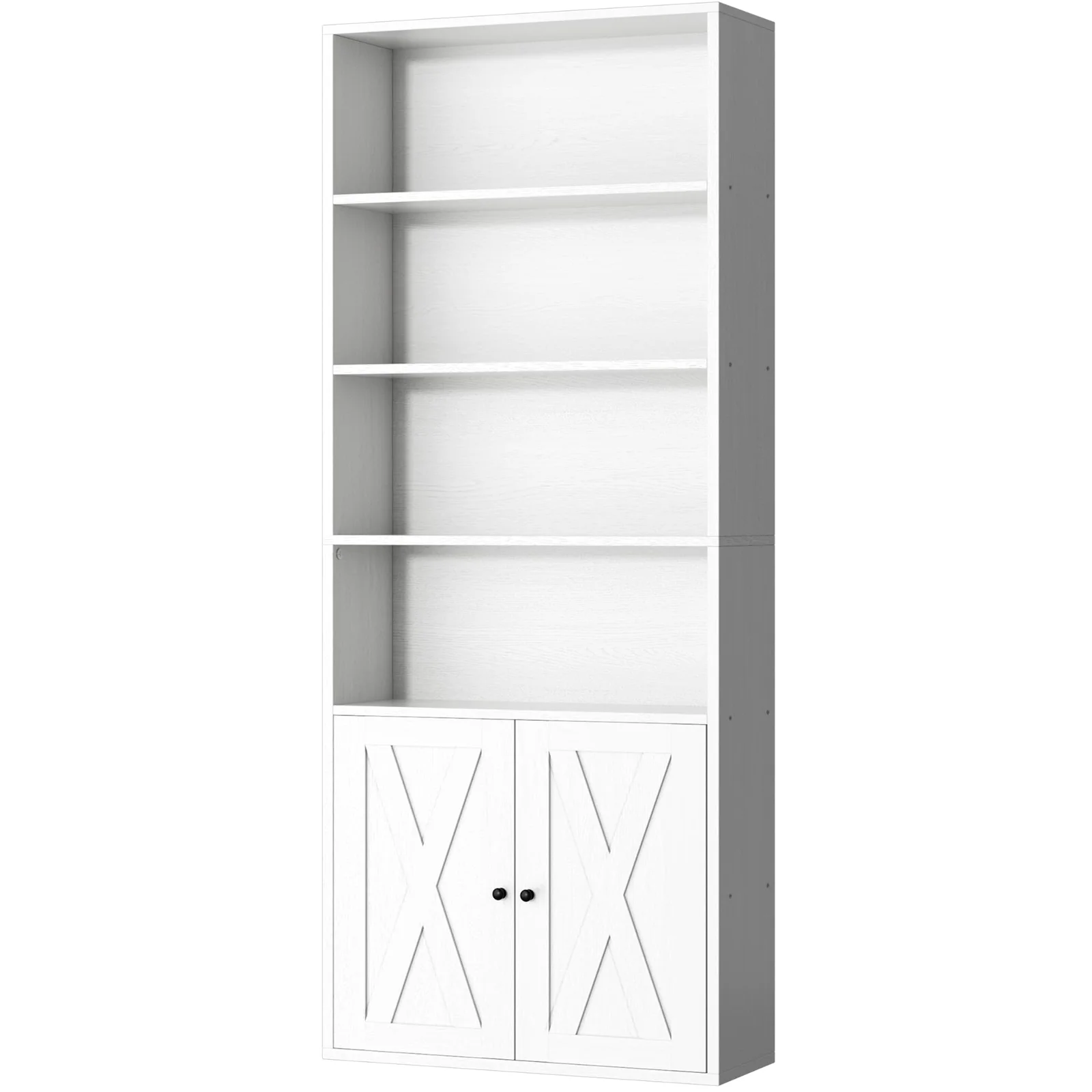
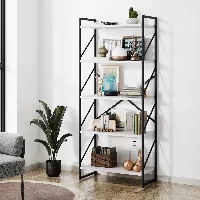
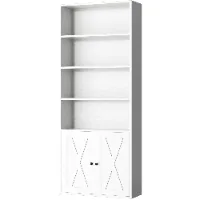
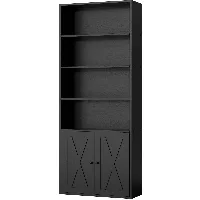
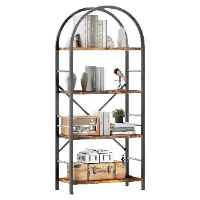
You choose a bookcase on two numbers and everything else is preference. The tall end of the Shintenchi collection runs to seventy inches, which clears a standard ceiling with air above the top shelf. Divide that height by the tier count and you get what one shelf clears: five tiers gives about thirteen inches, eight gives about eight, and eight will not take a hardback upright.
Collection 06
Storage with doors on it and a top you can work on
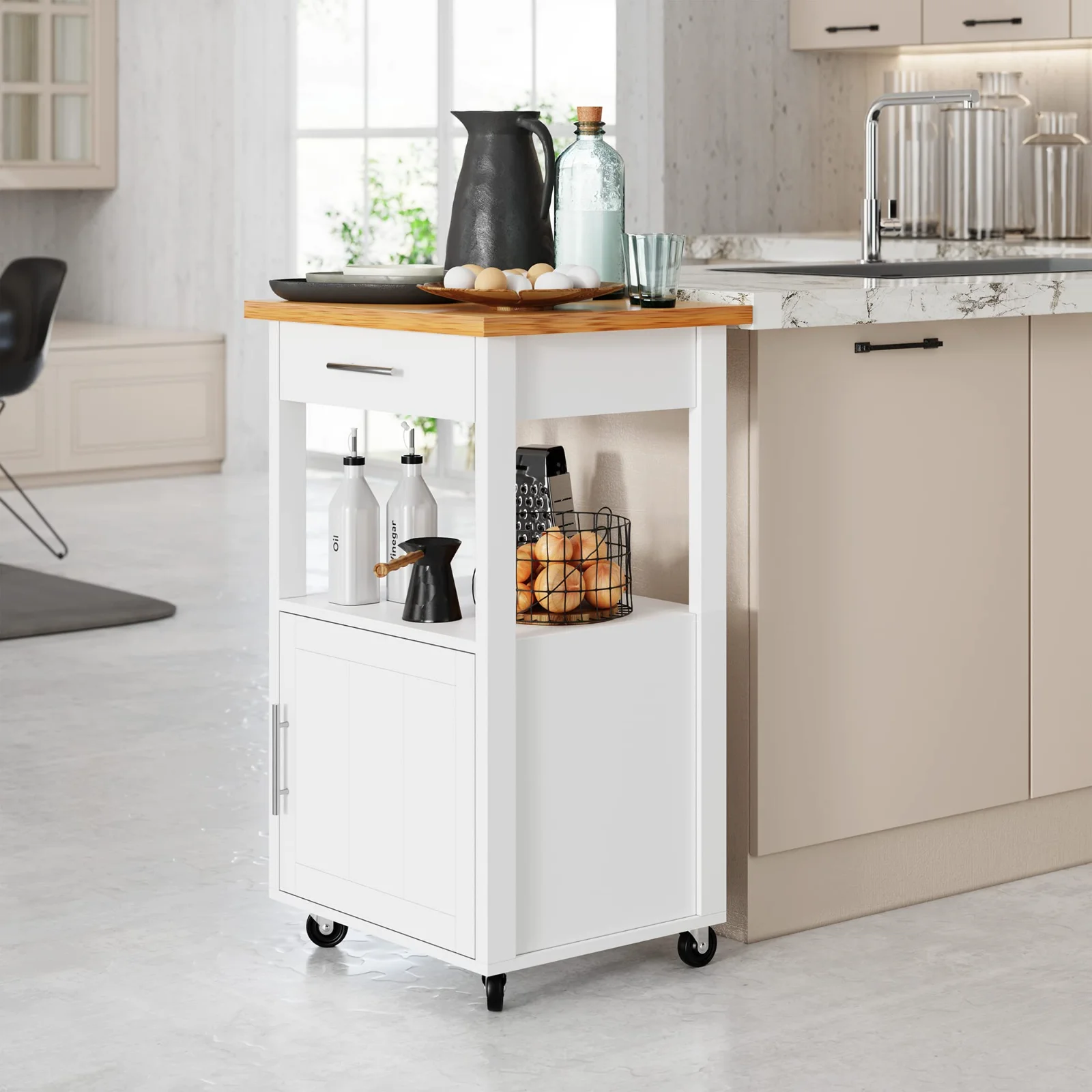
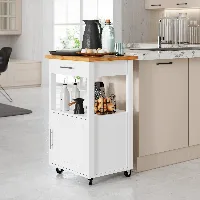
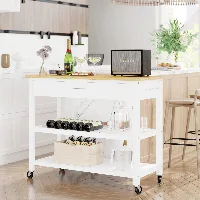
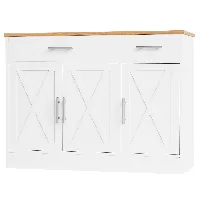
A pantry cabinet at sixty-five inches holds a fortnight of tins and still fits under a cased opening. The kitchen islands come with a drop leaf that folds flat against the side, so you buy the working width you need on a Sunday without living with it on a Tuesday.
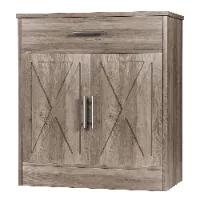
Collection 07
The narrow wall nobody measures
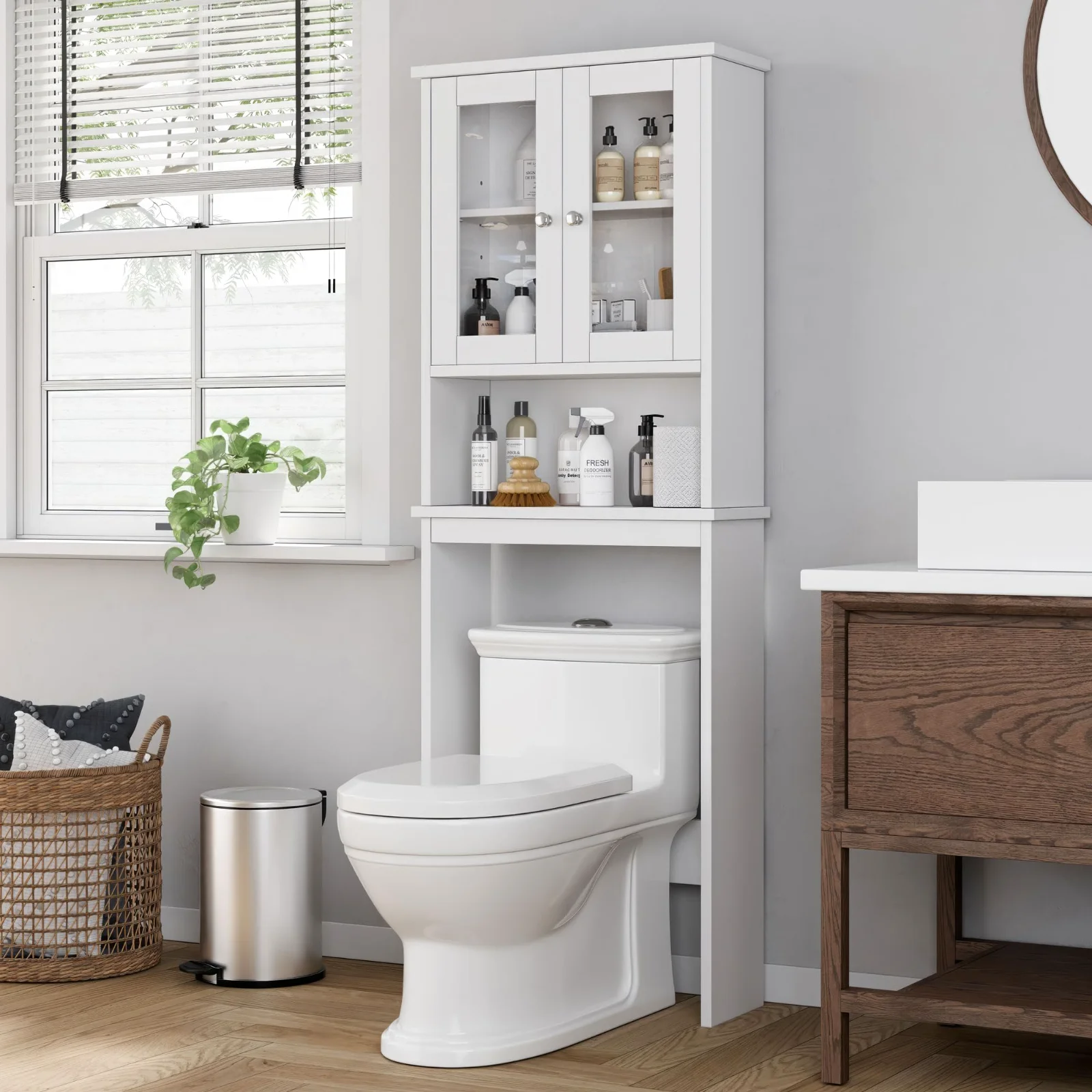
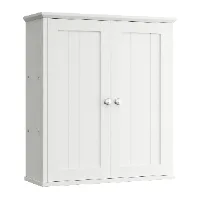
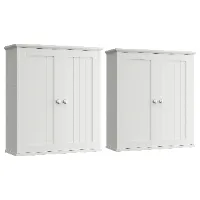
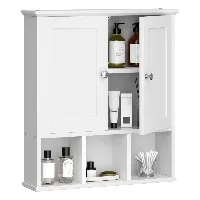
Bathroom storage is a width problem before it is anything else. Measure the strip beside your basin and the clearance over the cistern, and half of what you were considering rules itself out. The Shintenchi essentials for this wall stand on the floor and step over the tank; the medicine cabinets recess or hang, and the mirror was going on that wall anyway.

Collection 08
Where the evening ends up
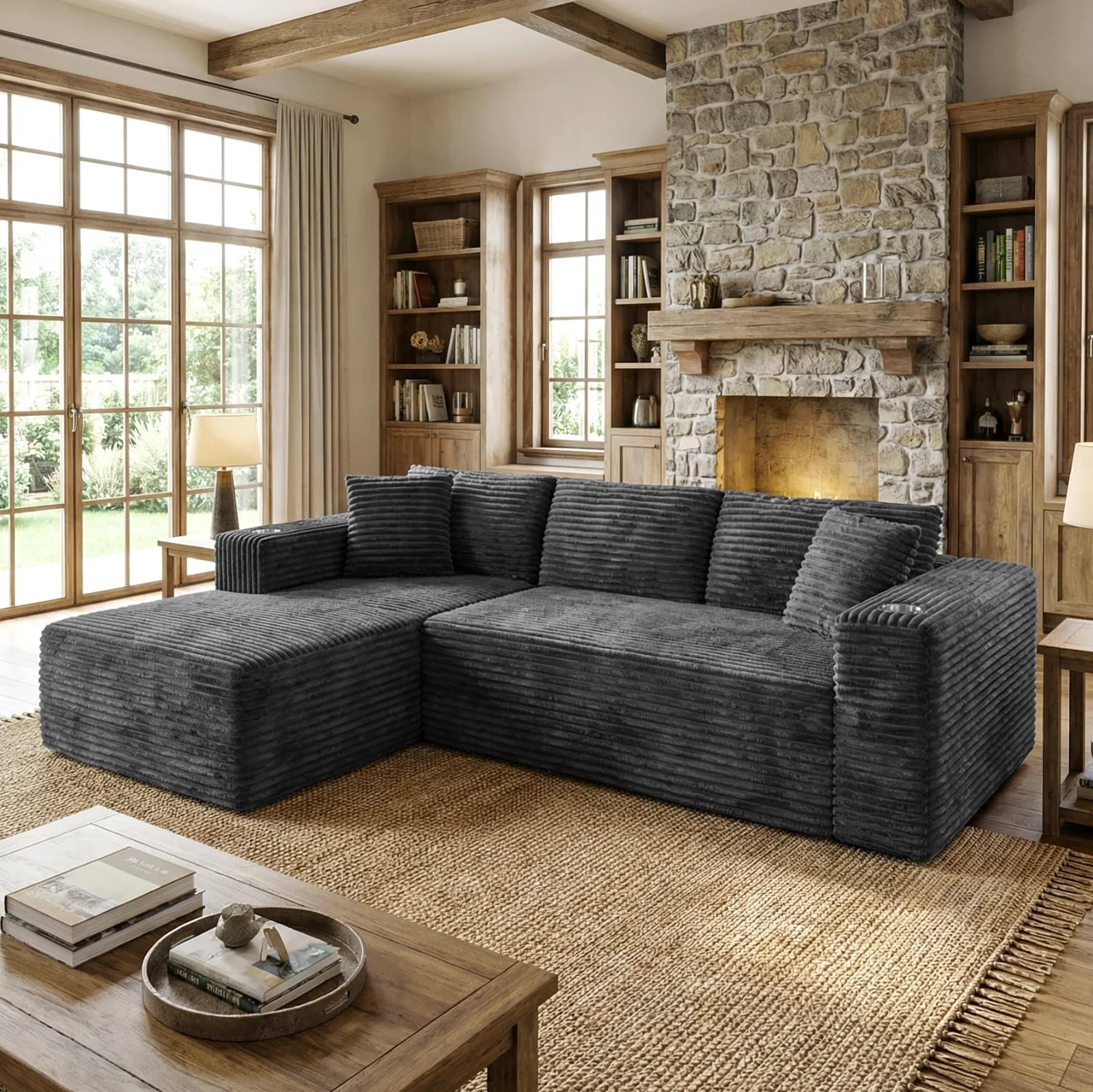
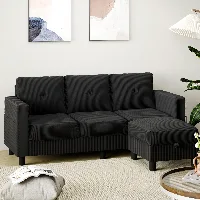
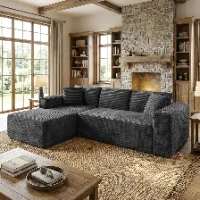
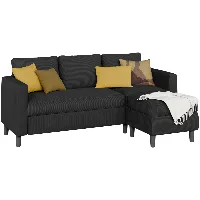
The Shintenchi favourites in this room arrive compressed and take their shape over a day, which is the only way a hundred-and-three-inch sofa gets up a stairwell. The lift-top coffee tables raise to laptop height and hide what was on the floor, and the U-shaped sectionals can be handed left or right after you have lived with the room a week.
Collection 09
Eight hours you should not have to think about
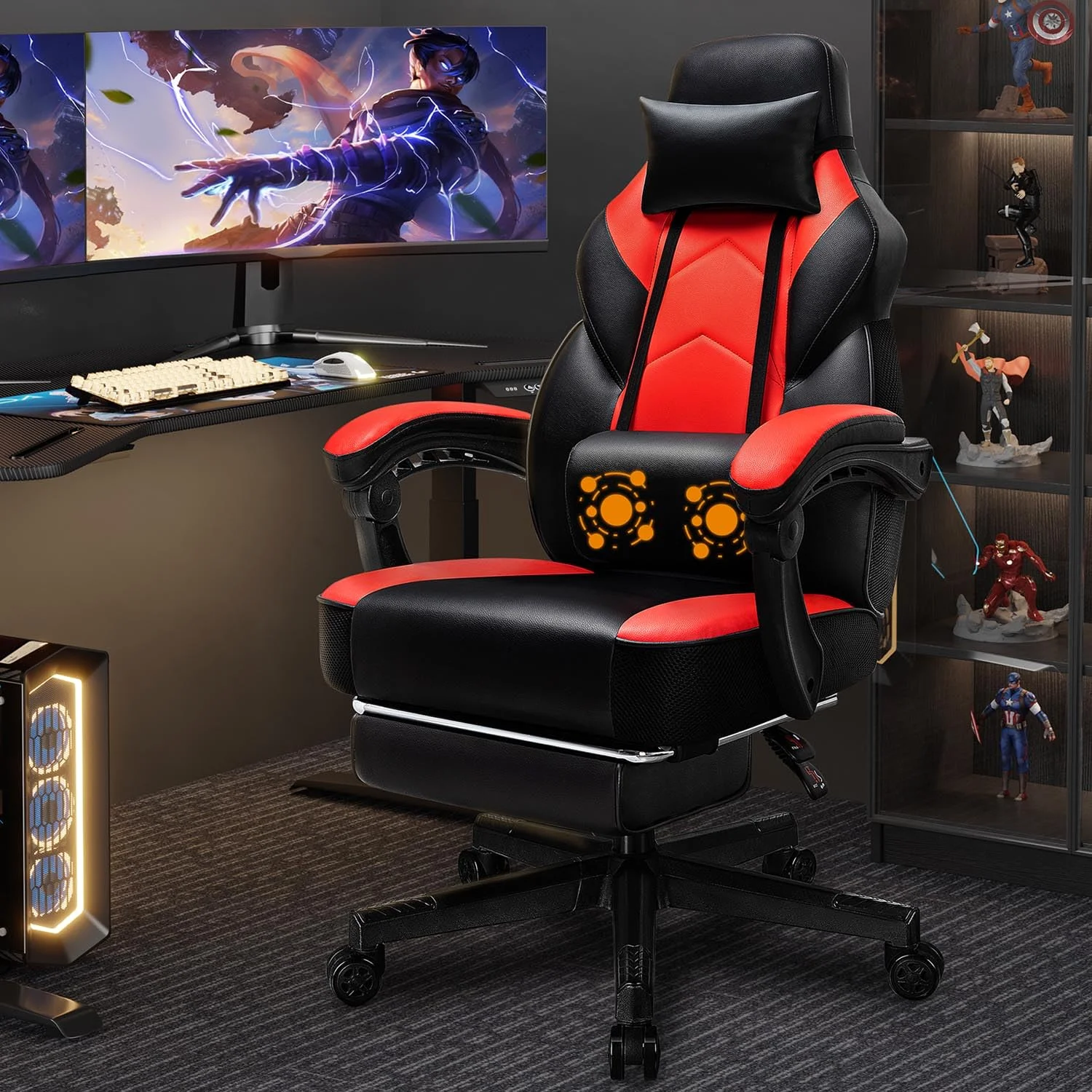
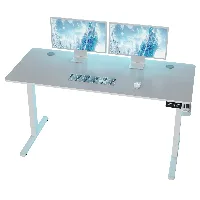
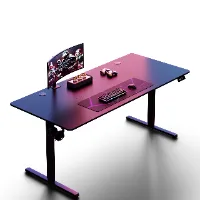
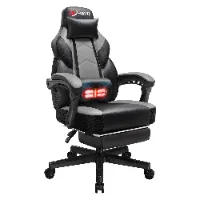
The standing desks crank between sitting and standing height, and the number that matters is the low end: if it does not drop to twenty-eight inches, a short person sits with their shoulders up all day. The chairs have a footrest and a headrest that move independently, because the two are never right in the same position.
Collection 10
Dining, sleeping and the dog
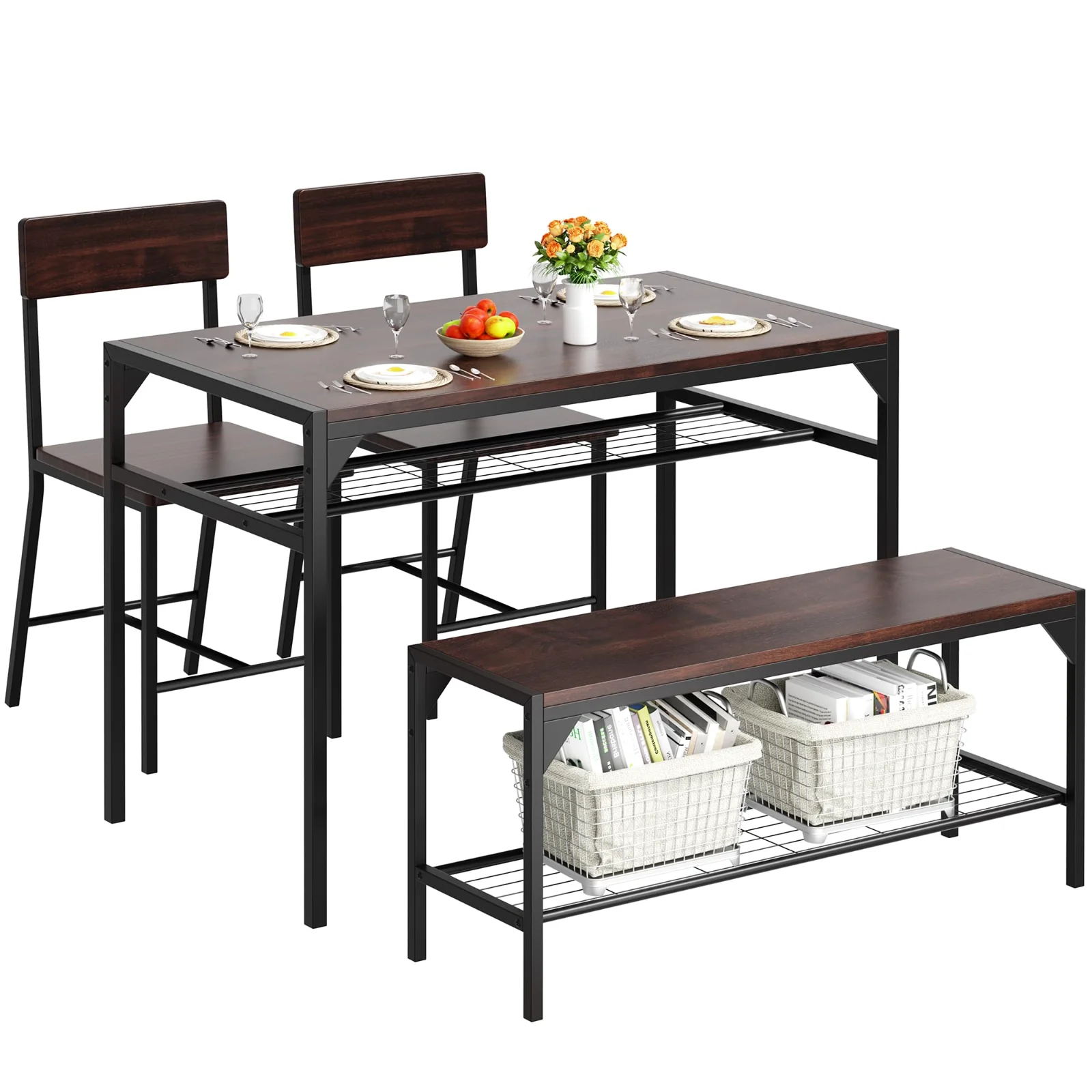
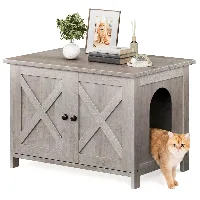
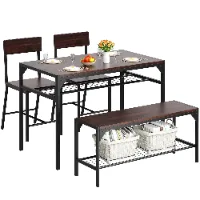
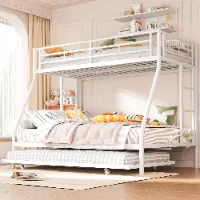
A dining set with a bench seats four in the footprint of a table for two, and the bench slides under when nobody is on it. The bunk bed has a trundle beneath, which turns two beds into three on the night the cousins stay. The crates and litter enclosures are furniture-shaped on purpose: they live in the room, not in the garage.

What it is made of
Five materials, and the job each one is for
The Shintenchi approach has settled on five materials in 10 years of making this range, and each one is here because it does something the other four do not.
PE wicker over steel
The woven strand is polyethylene, not cane, so it does not soak or split. The frame under it is powder-coated steel, which is what carries the weight; the weave is the surface you touch.
HDPE lumber
Recycled high-density polyethylene, moulded in board profiles. It is heavy on purpose, it does not need sealing, and colour runs through it rather than sitting on top.
Textilene on aluminium
A stretched mesh seat over an aluminium frame: it drains in a minute after rain, it does not hold heat the way a cushion does, and the frame does not rust.
Powder-coated steel
Where the load turns, the frame is steel. Powder coat is a baked finish rather than a paint film, which is why a scratch stays a scratch instead of spreading.
Laminated board
Indoors, cases are engineered board with a laminate face. It arrives flat, it stays square once the back panel is on, and it wipes clean with a damp cloth.
Rules we read
The published guidance behind these pages
Three published documents sit behind Shintenchi standards for safety wording. Each is named with the day the company read it, and each one changed something about how a piece is described here.
Tipping furniture
The consumer safety commission launched its anchoring campaign in 2015 and marked ten years of it in 2025, reporting that tip-over injuries and deaths have fallen by nearly half. The instruction never changed: anchor bookcases and dressers to the wall. Every tall piece here repeats it and every assembly note treats it as a step.
What the dresser rule covers
The federal rule for clothing storage units is codified at 16 CFR part 1261 and defines the category precisely: free-standing, at least twenty-seven inches tall, at least thirty pounds, with at least 3.2 cubic feet of enclosed storage. Bookcases fall outside it, and we say so rather than borrowing the language.
Ten feet, and a fire that goes out
The federal fire agency gives a distance rather than a caution: keep an outdoor fire pit at least ten feet from the house or anything that can burn, watch children while it is lit, and put it out before you go inside. Ten feet is the figure that decides where a pit can stand, so it is on every fire pit page here.
The full source list, with the date each one was read, lives on our updates page. Our updates.
Who decides what goes up
Four benches, one catalogue
The people at Shintenchi have no title worth printing. What they have is a bench, and each bench answers one question before a piece joins the range.
The measuring bench
Reads the seats, the span, the height and the tier count off the product data, and refuses a card that cannot print at least two of them.
The weather bench
Decides which side of the door a piece belongs on, and writes the sentence about what its material does in August and in February.
The photo check
Looks at every frame beside the piece it claims to show. A picture that argues with its caption does not go up.
The figures clerk
Runs the price and stock pass on a schedule and stamps the date on one page. One date, one place, no guessing.
The comparison
Four ways a patio gets furnished
You have four options and they differ in what arrives, when it arrives and who puts it together. Here is where the Shintenchi way lands against the other three.
| A Shintenchi carton | A garden centre | Custom build | Another season | |
|---|---|---|---|---|
| What arrives | Flat cartons, one set per order, assembled by you | A finished piece on a truck, when the truck runs | Trades in the yard for days | Nothing |
| Choosing it | Seats, span and material printed before you order | Whatever is on the floor that week | Drawn to your slab | Not applicable |
| Getting it home | Cartons that fit a stairwell and a lift | Delivery, and a gate wide enough for it | Built where it stands | Nothing to carry |
| Changing your mind | Comes apart, stores flat over winter | Moves whole or not at all | Stays with the house | Nothing to move |
| First season | Cushion covers unzip, fittings take a spring turn | Depends entirely on the piece | Sealed and maintained on a schedule | Another summer indoors |
This is how our own cartons behave, not a claim about anybody else. Every measurement we print is one a tape measure can settle.
In their words
What buyers say after a season
These are real reviews from the Shintenchi community, and they are shown as they came. Most were written after a first summer, which is when outdoor furniture stops being a photograph.
I purchased this set for my porch last summer and they still look good and lasted through a cold and snowy winter. My husband assembled them easily. A good investment.
Set is comfy. Not very easy to put together and will need at least 2 people, a drill, Allen key, and patience, but it is worth it. Do not leave the cushions outside in rain: have a cover or large storage available for them.
No tools required. Very sturdy. The only thing I didn’t like was the cup holder on one chair is covered when the table is connected. Looks nice and has a hole for an umbrella.
Very nice for the price. Easy to set up and use. But it definitely needs securing to the ground or weights. It doesn’t stand up on its own even without wind. I put blocks down, then made it cute with plants.
Super easy to assemble. The one cord underneath sticks up slightly so the grey panel on top does not lay perfectly flat. Also it did not come with the wind glass. Otherwise it’s beautiful, has different levels of flame, easy to use.
This bookshelf was the easiest thing I’ve ever put together. Every hole was aligned perfectly. All of the hardware was easy to use to install and the shelves look very realistic in their grain.
Perfect size. I love the drawer, cupboard and especially the spice rack on the side. There is so much room for shorter things. It’s on wheels, making it easy to roll my air fryer to the kitchen area.
She put it together herself. It took her about an hour or so to make sure all pieces were snug, and we placed it in our bathroom. It looks really nice.
Really beautiful table, easy to assemble, nicely made and looks great. Quiet motor when you take the height of the table up or down.
About the company
A brand that had to learn two trades
The Shintenchi project has been in furniture since 2016, which is 10 years of making things for both sides of one door, and that is a harder thing to do well than it sounds. The two halves of this catalogue answer to different masters. Indoors, a piece is judged on whether it fits: the height against the ceiling, the width against the wall, the shelf spacing against the tallest thing you intend to put on it. Outdoors, a piece has to fit and then survive, and the second part is where most outdoor furniture quietly fails in its second summer.
You can see the split in the way the Shintenchi workshop draws its material list. Inside, the cases are engineered board with a laminate face, which is the right answer to a dry room: it arrives flat, it stays square once the back panel is on, and it costs a fraction of what solid timber would. Put that same board on a patio and it is finished by October. So outside, the range runs on three other things. PE wicker, which is a polyethylene strand woven over a powder-coated steel frame. HDPE lumber, moulded from recycled high-density polyethylene, heavy enough to stay put and pigmented all the way through. And textilene, a stretched mesh that drains in a minute and does not hold the afternoon heat the way a cushion does.
None of that is exotic. It is the ordinary vocabulary of outdoor furniture, and the company spells it out because the words get used loosely. "All-weather wicker" means polyethylene if it means anything, and if a description will not say which polymer it is woven from, that is worth noticing. "Rust-resistant" is a coating claim, not a material claim; aluminium does not rust because it cannot, while steel does not rust because somebody baked a finish onto it, and those two facts age very differently when a chair leg gets scraped on a paving slab.
The other thing the two halves share is that both are bought from photographs and both are used against real walls and real slabs. That is the failure this whole site is arranged around. A bookcase that is three inches too tall for the alcove is not a slightly wrong bookcase, it is a bookcase in the hallway. A patio set that fits the slab exactly is a set nobody can push their chair back from. Neither of those is a quality problem. Both are measurement problems, and both are entirely preventable by printing the right numbers where somebody will read them before they order.
So the Shintenchi philosophy is that a card leads with figures rather than adjectives. Outside that means seats and span: how many people the set seats, how many feet the umbrella or the carport covers, how many BTU the fire pit throws. Inside it means height and count: how tall the case stands, how many tiers or drawers or doors it carries. The finish comes after, because the finish is the easy part of the decision and putting it first is how a catalogue talks somebody into a piece that does not fit.
What flat-pack actually costs you
Almost everything here arrives in cartons and goes together on the floor of the room it will live in. That is not a compromise we are apologising for; it is the reason a seventy-inch bookcase can come up a stairwell at all, and the reason a seven-piece patio set can be ordered on a Tuesday rather than scheduled for a delivery window. But it does cost you an afternoon, and it is worth being straight about how that afternoon goes.
The build has a shape. You clear a floor, lay the parts out on the cardboard the carton came in, and count the fittings against the sheet before you touch a panel. You assemble flat, and you square the frame with the diagonals before the back goes on, because a case that is out of square will never hang a door true no matter what you do to the hinge afterwards. Then you stand it up, level it on the floor it will stand on, and fix it to the wall. Only then does anything go on a shelf. Outdoor sets are simpler, usually a matter of bolting arms and legs to seat frames, but the same rule about counting the hardware first applies, and for the same reason.
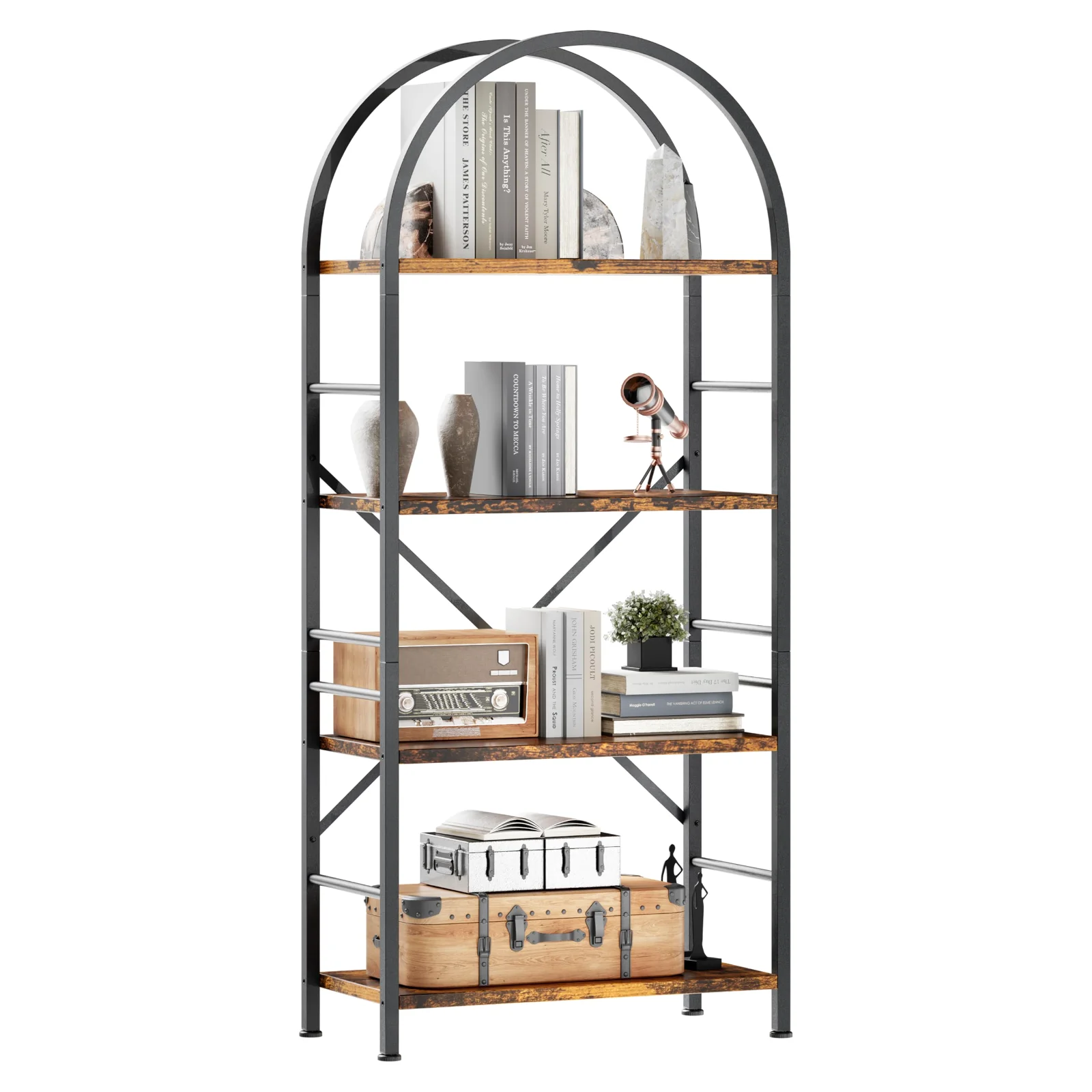
The step that photographs badly
The tall indoor pieces belong anchored to the wall. That sentence appears on every relevant page of this site, and it is the one instruction here that has nothing to do with taste. The consumer safety commission has campaigned on it for a decade because unanchored furniture with drawers or shelves is a genuine hazard in a house with a small child, and the fix is a bracket, a drill and about ten minutes. The fittings ship in the carton. We would rather repeat the sentence than have a page read tidier without it.
Outdoors the equivalent instruction is about wind. An umbrella left open in a gust is a sail on a pole; a carport that has not been anchored to the ground is a kite with a car under it. Both come with the fittings to prevent that, and both pages say so. It is the least photogenic thing in the catalogue and the most important sentence on the page.
What the company is, and is not
The Shintenchi team makes and sells this range and has done since 2016. What the company does not do is dress that up: there are no awards on this page, no certificates and no numbers about how many of anything has been sold. What Shintenchi does have is 10 years of the same two problems, a material list that has narrowed to five entries, and product data that gets read before any marketing copy does. When that data will not say what a piece is woven from or how tall it stands, the piece does not get a card here.
That refusal costs Shintenchi pieces. There are things in the range the company would happily sell you and does not list, because the data behind them is thinner than the sentence it would take to describe them. A catalogue is partly a record of what somebody decided not to publish, and this one is no exception.
The rest is ordinary. Measure the wall or the slab. Read the two numbers that decide it. Then, and only then, pick the colour.
| Side | The figure that decides it | The figure that gets read second | What goes wrong without them |
|---|---|---|---|
| Outside | Seats, or the span in feet | The material the frame is coated in | A set that fits the slab and leaves nobody room to push back |
| Outside | BTU, for a fire pit | Ten feet of clearance from the house | A pit that warms two people and stands too close to the wall |
| Inside | Overall height | Tier, drawer or door count | A case three inches too tall, standing in the hallway |
| Inside | Clear height per shelf | The tallest thing you actually own | Eight tiers that will not take a hardback upright |
the Shintenchi team is arranged around those four rows, and the collections are just the rows sorted by room.
The journal
Three long pieces from the benches
What a first season actually does to a patio set. The four measurements that decide whether a case fits a wall. And how an anchor meets a stud, a hollow wall or a slab.
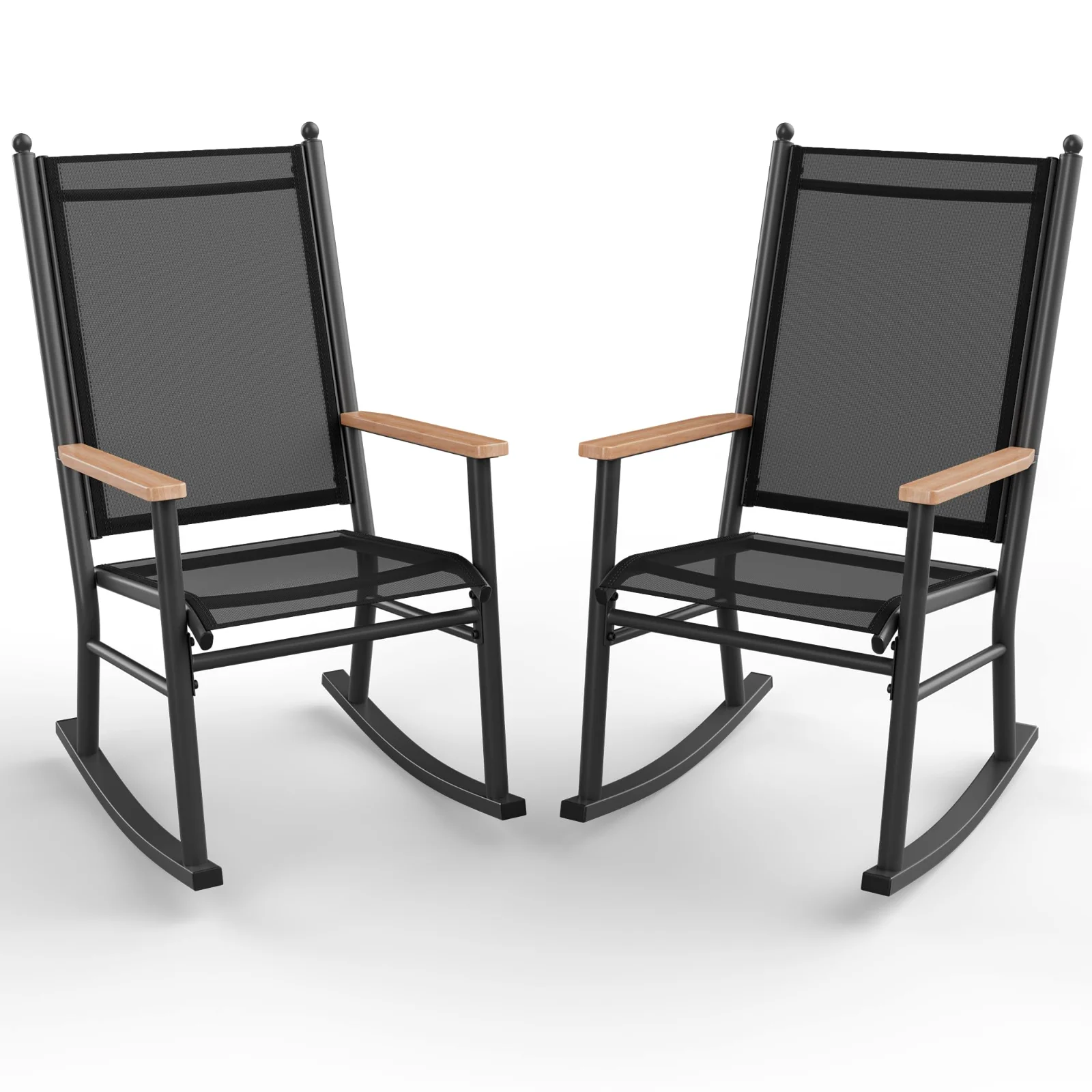
The First Season: What a Year Outdoors Actually Does to Patio Furniture
Sun, standing water, wind and freeze attack different parts on different timetables. What each does, and the four habits that decide how a set looks in its third summer.
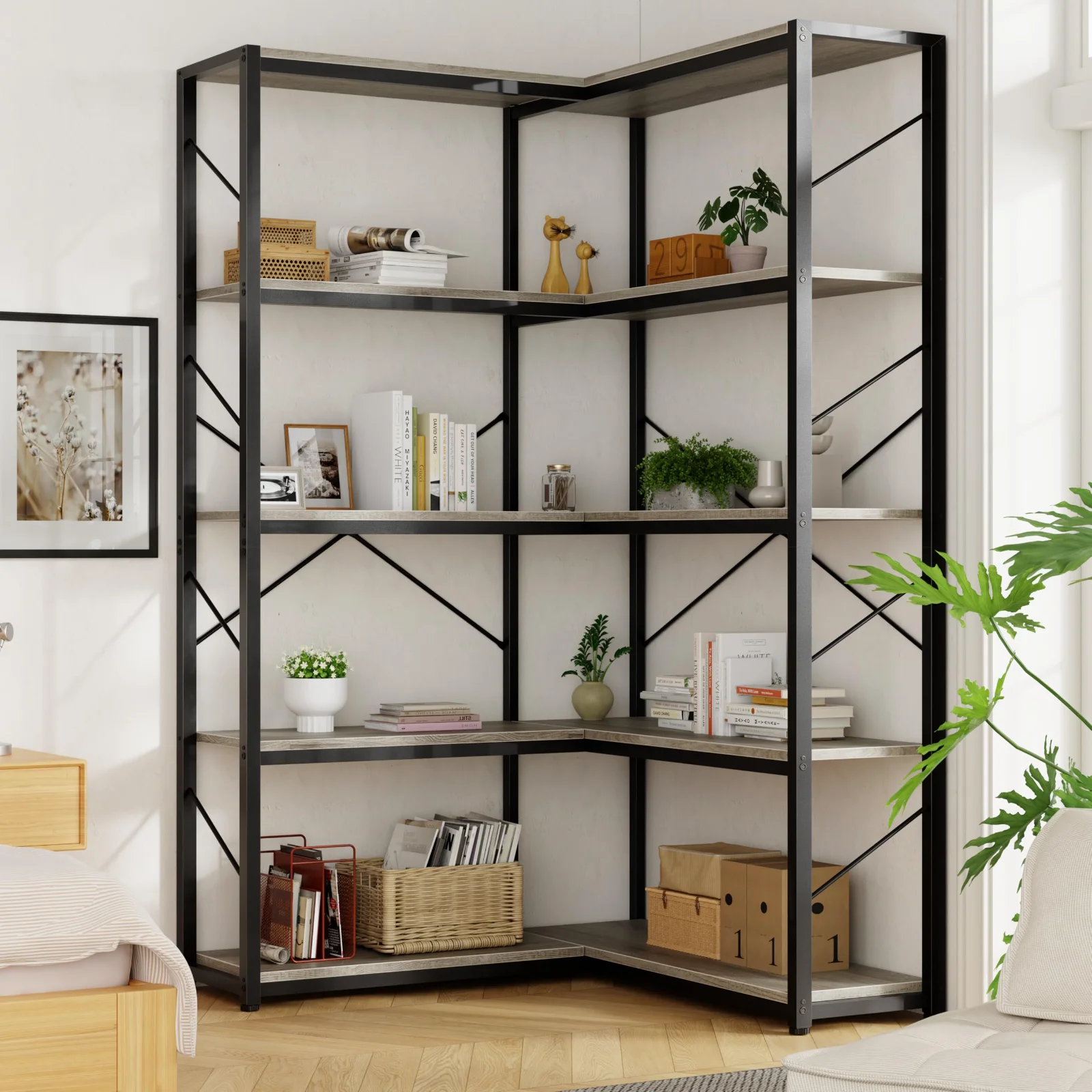
Measure Before You Fall in Love: The Four Numbers That Decide a Piece
A case three inches too tall is not a slightly wrong case, it is a case in the hallway. The four measurements that settle it indoors, the two outdoors, and how to take them.
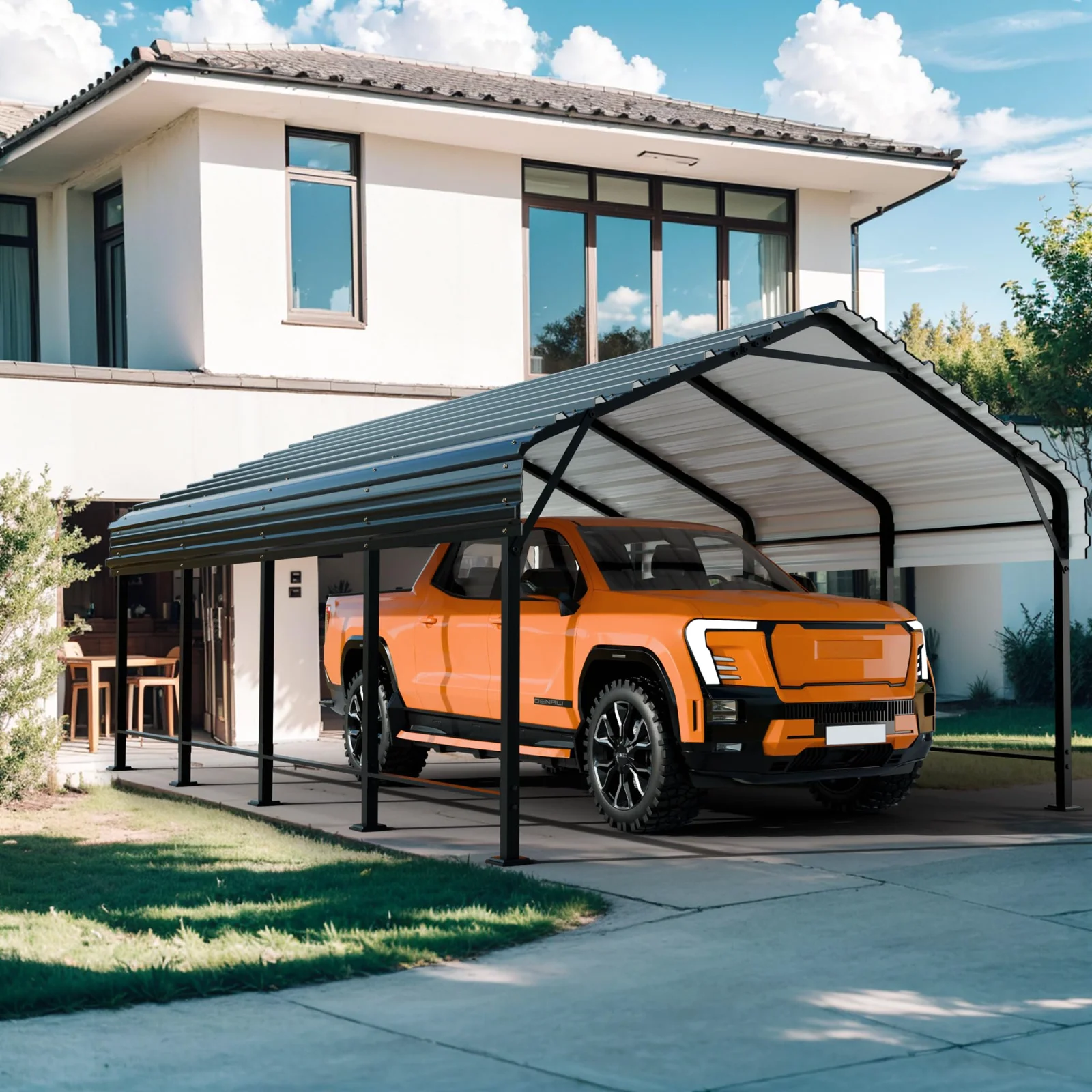
Anchored, Shaded and Standing: The Steps Nobody Photographs
A bracket into a stud indoors, a ground anchor outdoors, ten feet around a fire pit. Three unglamorous steps that decide whether furniture is safe, and how to do each one.
Measure first. The colour is the easy part.
Take the two numbers that decide your piece before you look at a single photograph: outside, the width of the slab and the shade at the hour you sit down; inside, the height to the ceiling and the tallest thing going on the shelf. Then read the cards.